Spring Training & Sunshine: The Ultimate Baseball Fan Road Trip Through Florida & Arizona
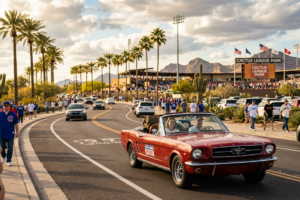
Every February and March, something magical happens across the American South and Southwest. The crack of the bat echoes through palm-lined ballparks, fans wear fresh jerseys under warm sunshine, and baseball returns after the long winter. This is Spring Training, one of the most beloved traditions in the sport — where hope begins again for all 30 teams of Major League Baseball.

For fans, Spring Training is more than preseason baseball. It’s a chance to get closer to the game — literally. Players sign autographs along foul lines, prospects fight for roster spots, and families relax under cloudless skies while watching tomorrow’s stars. Best of all, the stadiums are clustered together, making them perfect for an unforgettable road trip.

Two regions host this annual baseball migration:

  • Florida’s Grapefruit League
  • Arizona’s Cactus League

Both offer warm weather, beautiful ballparks, and dozens of teams playing daily games. But each region delivers its own flavor of baseball adventure.

So pack the sunglasses, load up your playlist, and hit the highway. This is the ultimate baseball fan road trip through Florida and Arizona.


The Florida Grapefruit League: Baseball Beneath the Palms

For over a century, Florida has welcomed teams escaping cold northern winters. Today, the Grapefruit League stretches across central and south Florida, with teams playing in picturesque stadiums surrounded by palm trees, beaches, and tropical breezes.

One of the biggest draws is proximity to the coast. Fans can watch a game in the afternoon and have seafood by the ocean that evening.

As baseball legend Yogi Berra once joked:

Love is the most important thing in the world, but baseball is pretty good too.”

In Florida during Spring Training, you get both — love for the game and a vacation atmosphere.


Road Trip Stops: Grapefruit League Highlights

https://www.visitfortmyers.com/sites/default/files/2022-01/BaseballSpringTrainingBostonRedSoxJetBlueParkFenwaySouthPanoramic_FortMyers_rebbewe_2021_03.jpg

1. Fort Myers – Red Sox Nation South

Start your trip in Fort Myers at JetBlue Park, the spring home of the Boston Red Sox. Known as “Fenway South,” the park replicates many features of Fenway Parkincluding a mini Green Monster.

Expect huge crowds, passionate fans, and plenty of New England accents.

Nearby perks:

  • Gulf Coast beaches
  • Fresh seafood shacks
  • Sunset views on Sanibel Island

2. Lakeland – Old School Baseball

Drive north to Lakeland, home of Publix Field at Joker Marchant Stadium, where the Detroit Tigers have trained since 1934.

It’s the longest-standing Spring Training partnership in baseball, giving the stadium a nostalgic, throwback feel.

Road trip bonus: Lakeland sits right between Orlando and Tampa, making it easy to pair baseball with theme parks or breweries.


3. Jupiter – Double the Teams

Next stop: Jupiter, Florida.

At Roger Dean Chevrolet Stadium, fans can watch both the Miami Marlins and St. Louis Cardinals train and play.

This stadium creates a festival-like environment with constant games and enthusiastic Midwest fans who escape winter each year.


4. Port St. Lucie – Mets Territory

End your Florida tour at Port St. Lucie and Clover Park, the spring home of the New York Mets.

Mets fans turn this town into a mini Queens every spring.

Expect:

  • Loud chants
  • Lots of blue and orange
  • Some of the best ballpark hot dogs anywhere

5. Tampa – Yankees Tradition on the Gulf Coast

Continue your Spring Training adventure in Tampa at George M. Steinbrenner Field, the spring home of the legendary New York Yankees.

Often called the largest Spring Training stadium in baseball, Steinbrenner Field mirrors many features of Yankee Stadium, giving fans a big-league feel even in the relaxed atmosphere of March baseball. Yankees fans travel from across the country to watch their team tune up for the season, creating one of the most electric Spring Training crowds anywhere.

But the experience doesn’t stop when the final out is recorded.

Tampa offers plenty of ways to extend the day:

  • Stroll along the scenic Tampa Riverwalk
  • Explore restaurants and nightlife in Ybor City
  • Catch sunset views along Tampa Bay
  • Visit the Tampa Bay History Center

For baseball fans, this stop feels like the centerpiece of the Grapefruit League, with multiple nearby stadiums just a short drive away.


6. Bradenton – Pirates Baseball by the River

About 45 minutes south of Tampa, the road trip continues to Bradenton, Florida, where the Pittsburgh Pirates train at LECOM Park.

LECOM Park is one of the oldest and most charming ballparks in Spring Training, originally built in 1923. With classic architecture, intimate seating, and a retro feel, it’s a favorite among baseball purists who appreciate the sport’s history.

The ballpark even features a replica Clemente Wall, honoring Pirates legend Roberto Clemente.

After the game, Bradenton offers a laid-back Florida vibe:

  • Walk the Bradenton Riverwalk along the Manatee River
  • Explore the artsy village shops of Anna Maria Island
  • Enjoy fresh Gulf seafood at waterfront restaurants
  • Catch sunset views along the coast

Bradenton is also conveniently located between Tampa and Sarasota, making it a perfect stop on a Gulf Coast baseball loop.


7. Sarasota – White Sox & Gulf Coast Paradise

Just 20 minutes south of Bradenton lies Sarasota, Florida, where the Chicago White Sox hold Spring Training at Camelback Ranch? Wait — correction: White Sox train at Camelback Ranch in Arizona? No — in Florida they train at Ed Smith Stadium.

Correct entity:

Ed Smith Stadium

This beautifully restored stadium blends classic Florida architecture with modern amenities and offers one of the most comfortable viewing experiences in the Grapefruit League.

White Sox fans — especially those escaping Chicago winters — quickly discover that Sarasota might be the ultimate post-game destination in Spring Training.

After a game, head out to explore:

  • Siesta Key Beach, famous for its powder-white quartz sand
  • The elegant boutiques and restaurants of St. Armands Circle
  • The fascinating art and circus history at the John & Mable Ringling Museum of Art
  • Waterfront dining and sunset views along Sarasota Bay
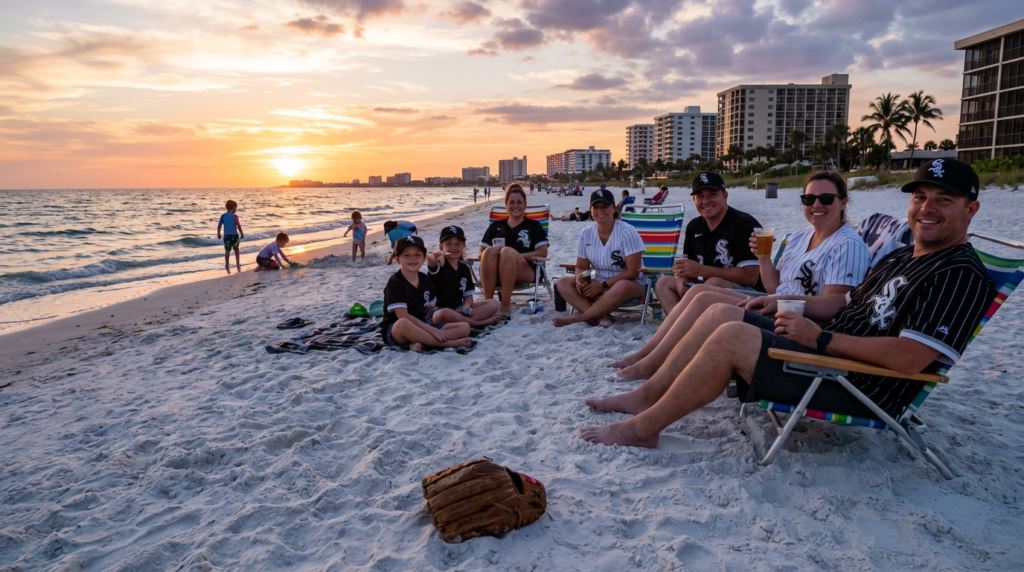
With Tampa (Yankees), Bradenton (Pirates), and Sarasota (White Sox) all within about an hour’s drive, fans can easily catch multiple games across three cities in just a couple of days.

It’s one of the most convenient and beautiful stretches of Spring Training anywhere — a baseball road trip wrapped in sunshine, Gulf breezes, and unforgettable ballparks.


Florida Fan Experience

Spring Training in Florida moves at a relaxed pace. Stadiums are spread across the state, meaning drives between games can be scenic mini-adventures.

Along the way you’ll discover:

  • Orange groves
  • Beach towns
  • Spring-fed rivers
  • Seafood restaurants

One fan summed it up perfectly:

Spring Training is baseball the way it used to be — sunshine, small stadiums, and the smell of fresh grass.”


Arizona’s Cactus League: Baseball in the Desert

While Florida offers beaches, Arizona delivers dramatic desert landscapes and tightly packed stadiums.

The Cactus League is centered around Phoenix and surrounding cities like Scottsdale, Mesa, and Glendale.

The biggest advantage?

All stadiums are within about an hour’s drive.

This means diehard fans can sometimes catch two or even three games in one day.

As Hall of Fame pitcher Sandy Koufax once said:

Pitching is the art of instilling fear.”

Spring Training lets fans see that art up close — often from just a few feet away.
» Read more

Desert Bloom Magic: Why March Is the Perfect Time to Explore Arizona’s Wildflower Trails

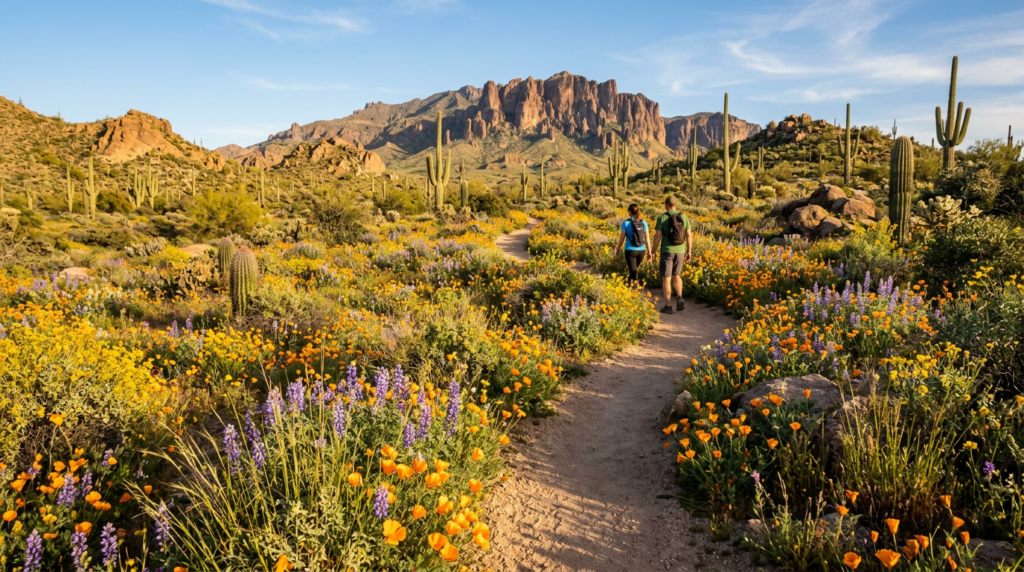
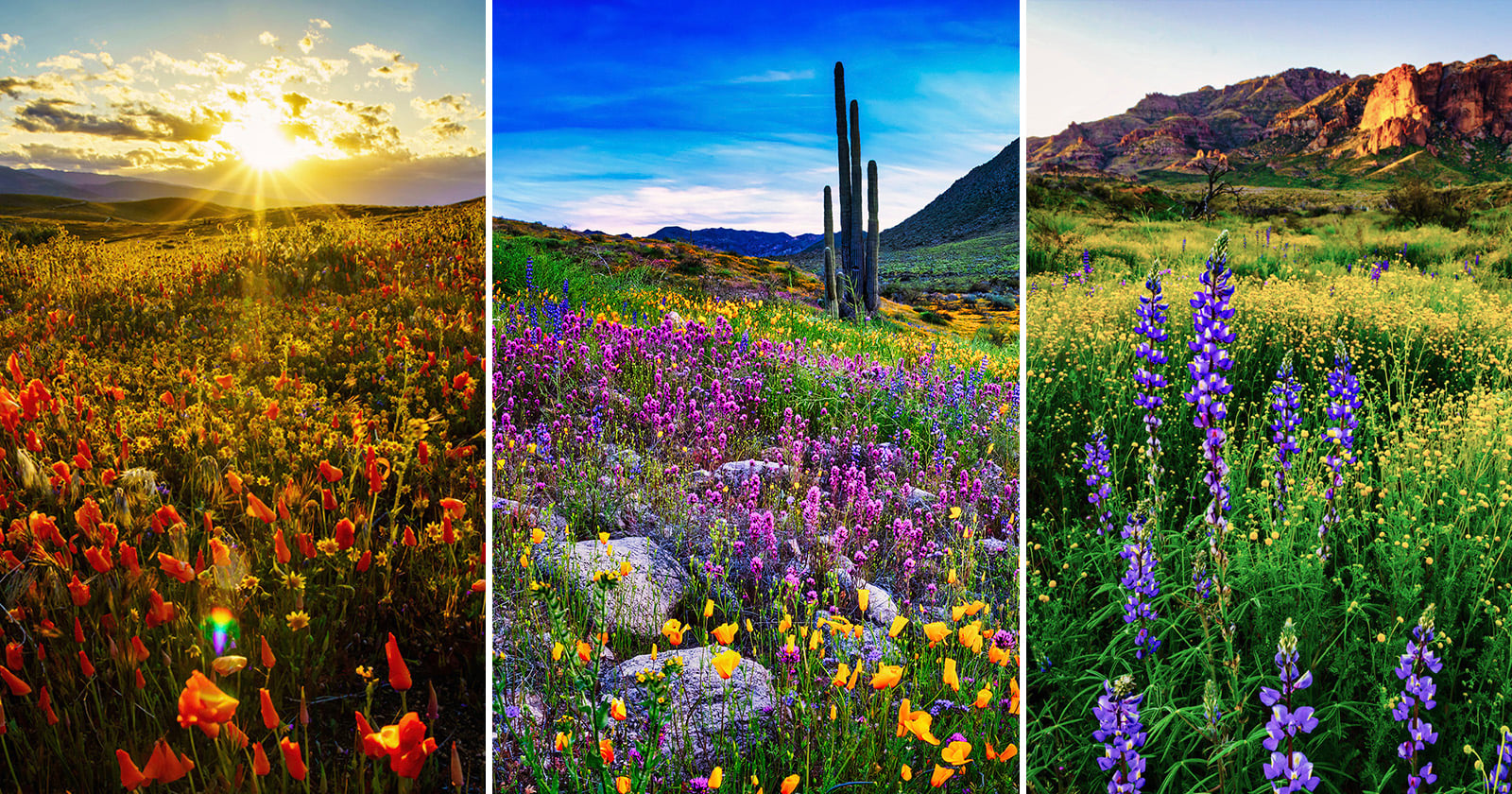
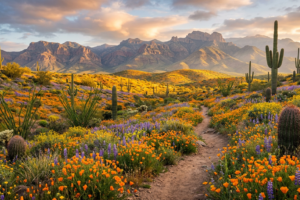
The desert has a reputation for being stark, rugged, and even a little unforgiving. But every spring—almost like a secret the land keeps all winter—Arizona’s deserts burst into color. In March, landscapes that looked quiet and dusty just weeks before suddenly glow with blankets of orange poppies, purple lupines, golden brittlebush, and delicate white primrose.

It’s one of the most spectacular seasonal transformations in America. Travelers who time it right discover that Arizona’s wildflower season turns the desert into a living painting—one that stretches across mountains, valleys, and winding trails.

March sits right in the sweet spot of this transformation. Winter rains soak the soil just enough, temperatures warm comfortably, and daylight stretches longer across the Sonoran Desert. The result? Hillsides erupt with color, and hikers, photographers, and road-trippers arrive to witness what locals simply call “desert bloom magic.”

As naturalist John Muir once wrote:

“In every walk with nature one receives far more than he seeks.”

And in Arizona during March, what you receive is unforgettable.


The Science Behind Arizona’s Wildflower Explosion

Wildflowers in the desert don’t bloom every year with the same intensity. Their appearance depends heavily on winter rainfall, temperature patterns, and soil conditions.

When the conditions align—particularly after wet winter storms—the desert floor comes alive with seeds that may have been dormant for years.

Botanists refer to this as “desert seed banking.” Many wildflower species can wait patiently underground for the perfect conditions before germinating. Once rain arrives, they grow quickly, bloom brightly, and complete their life cycle before the desert heat returns.

March is often peak bloom because:

  • Winter rains have soaked into the soil
  • Temperatures stay between 65–80°F—ideal for hiking
  • Days are sunny but not yet scorching
  • Many species bloom simultaneously

The result is a short but breathtaking window of color across Arizona’s wild landscapes.


Where the Desert Comes Alive: Arizona’s Most Stunning Wildflower Trails

Picacho Peak State Park

https://images.openai.com/static-rsc-3/e53knrGtXk_X1ZWBe6va8bRTY44NFJPki_lLW5VdVW7LLfAgpf2aC_JjDFs1OnpeZDqrvhqZNcOxn64-RbWfCwcm9K9EBggs0ARNcZtxgiw?purpose=fullsize&v=1

Located halfway between Phoenix and Tucson, Picacho Peak State Park might be Arizona’s most famous wildflower destination.

The towering volcanic peak rises dramatically from the desert floor, and during March its surrounding fields often explode with bright orange Mexican gold poppies.

Visitors hike trails that weave through colorful fields while the jagged mountain dominates the skyline.

Popular trails include:

  • Hunter Trail – challenging climb with cables and panoramic views
  • Sunset Vista Trail – gentler route through dense flower fields
  • Calloway Trail – great for photography

On exceptional bloom years, the hillsides look almost as if someone spilled paint across the desert.


Lost Dutchman State Park

https://images.openai.com/static-rsc-3/a82EjTj06d6salok9vxhyD5MCPvlnsk97Xv3H4rBnRHpvW2Kum8LWOxGWftYLDIn3ONdFlgx86qrgbComL7zHwCBKT52EO_rn-2tNhkaJyg?purpose=fullsize&v=1

Just east of Phoenix sits Lost Dutchman State Park, named after the legendary gold mine said to be hidden somewhere in the rugged Superstition Mountains.

March brings waves of:

  • Desert lupine
  • Mexican poppies
  • Purple owl clover
  • Brittlebush

The Siphon Draw Trail becomes one of Arizona’s most photogenic hikes as flowers frame the towering Superstition peaks.

Sunrise and sunset hikes are especially magical here. The mountains glow deep orange while flowers light up the desert floor.


Catalina State Park

https://images.openai.com/static-rsc-3/kUxUn-naNJpojd10jFelds59Rqr-Cx2O7oWkp0F9zxH2efUDw5aS0tAxXybpRf8Ek7EFFa_FmAhAAOTM2sQjcY5TKWcUtTc5EShdhZQWQyg?purpose=fullsize&v=1

At the base of the Santa Catalina Mountains near Tucson, Catalina State Park offers some of the most accessible wildflower hikes in southern Arizona.

Here, the desert becomes a stunning mix of towering saguaros and vibrant flowers.

Trails wind through rolling desert grasslands and cactus forests filled with blooming:

  • Desert marigolds
  • Penstemon
  • Lupine
  • Fairy duster

It’s also one of the best places to see hummingbirds darting between flowers.

Visitors often say Catalina State Park feels like walking through a desert botanical garden designed by nature itself.


Saguaro National Park

https://images.openai.com/static-rsc-3/Ix5vGYLZW8k12qZO2huW3UYvVoQlU1A5xuBQtKu6Qjy1NNK3pgJyZXUbOY7qR3hsUavUKFNliSvOGge-I5G-vXidKUDSqKXKr-mqegQDQ_A?purpose=fullsize&v=1

Few landscapes symbolize the American Southwest like Saguaro National Park.

And during March, the park’s iconic cactus forests are surrounded by carpets of desert flowers.

The contrast is breathtaking:

  • Giant saguaros towering overhead
  • Golden wildflowers spreading across the desert floor
  • Purple and pink blossoms dotting the landscape

The Valley View Overlook Trail is a short hike with sweeping views that become even more spectacular when the bloom is strong.

Photographers especially love this park during golden hour when the flowers glow against the desert sunset.


Organ Pipe Cactus National Monument

https://images.openai.com/static-rsc-3/txiQBNtojXuqx1_TRUUyV7fpPREPY6w_FrFEyiN06iGJ4sveTIj8wo2Fkg9JkQ0aNDv1mltMlu76FpO_ZqYe4ifDY90LKKiILToC9ntarm4?purpose=fullsize&v=1

Farther south near the Mexican border lies one of Arizona’s most underrated natural treasures: Organ Pipe Cactus National Monument.

This UNESCO biosphere reserve hosts one of the richest ecosystems in the Sonoran Desert.

March reveals a tapestry of wildflowers stretching across desert plains and rocky slopes.

Expect to see:

  • Desert sunflowers
  • Purple lupine
  • Globe mallow
  • Sand verbena

The Ajo Mountain Drive scenic route becomes an unforgettable wildflower drive through the desert.

For travelers seeking solitude and vast open landscapes, this area feels wonderfully untouched.


Arizona’s Most Common Spring Wildflowers

https://images.openai.com/static-rsc-3/yDGz4KoqDg5vxvVrJzVKEIBibeYFYs2jMKwo3IcvlhbjsIfxRl-0WAZ5AQMyVSKZz4XCG6q3SlkIum5SxxG3-kOruRm8v21Fz7IoILk5QIo?purpose=fullsize&v=1

While hundreds of species bloom each year, a few iconic flowers dominate Arizona’s spring displays.

Mexican Gold Poppy
Bright orange petals that form glowing carpets across desert hillsides.

Desert Lupine
Tall purple spikes that add contrast to fields of poppies.

Brittlebush
Cheerful yellow blooms often covering entire slopes.

Evening Primrose
Delicate white blossoms that open at dusk.

These flowers thrive in tough desert conditions, growing quickly before temperatures soar into summer heat.


When Exactly Is Peak Bloom?

Peak bloom varies each year depending on rainfall, but mid-March to early April is typically the best window.

Here’s a general bloom timeline:

Month What You’ll See
Late February Early desert marigolds and primrose
March Peak poppies, lupine, and brittlebush
Early April Higher elevation blooms begin
Late April Mountain wildflowers take over

Travelers often monitor Arizona wildflower reports before visiting since the bloom shifts depending on winter weather.


Tips for Planning Your Wildflower Adventure

Wildflower season draws visitors from across the country, so planning ahead makes the experience smoother.

Go Early in the Day

Morning light is best for photography, and trails are cooler and quieter.

Bring Plenty of Water

Even in March, desert hikes can warm up quickly.

Stay on the Trail

Protect fragile wildflowers by avoiding stepping into bloom fields.

Check Bloom Reports

Arizona State Parks and local visitor centers often post weekly updates.

Bring a Camera

March blooms create some of the most photogenic landscapes in the Southwest.


Wildflower Photography Tips

https://petapixel.com/assets/uploads/2026/02/Photographers-Guide-to-Capturing-the-Superbloom-of-the-American-West-by-Kate-Garibaldi-Three-Panel-PetaPixel-BG.jpg
https://images.openai.com/static-rsc-3/-B88BYsrK28jC0m9lopgx8QTjHA2859uZZ6Lv0k2ajX2WgVoEfX2M9oanv6xMCw43J4i7nuF3nZaXTFKH3prtzT9SZ0xIKDDTpYeDp_dOZA?purpose=fullsize&v=1
https://images.openai.com/static-rsc-3/v_om4qNX2vLMjD3puVoefWZsyMYbD4aO5PtjpevxmYqT5AmbeJO63zYs-ibcp1aWerI7EALeU-f_V1fN6FnhJMAe27hjLa7ZYPsPYD0Oklc?purpose=fullsize&v=1

Photographing desert blooms can produce stunning results with just a few simple techniques.

Shoot during golden hour
Sunrise and sunset create warm lighting that makes flowers glow.

Get low
Position your camera near the flowers to frame mountains behind them.

Use contrast
Combine bright blooms with saguaros or rocky cliffs.

Try macro photography
Close-ups reveal intricate details most hikers overlook.

As photographer Ansel Adams once said:

“You don’t take a photograph, you make it.”

Arizona’s spring bloom provides the perfect canvas.


Why March Is the Sweet Spot for Arizona Travel

Beyond the flowers themselves, March is simply one of the best months to explore Arizona.

Temperatures remain comfortable, making outdoor adventures enjoyable across the state.

Visitors can combine wildflower hikes with:

  • Desert scenic drives
  • National park visits
  • Arizona wine country tours
  • Tucson and Phoenix culinary scenes
  • Spring training baseball games

It’s a season when the desert feels vibrant and alive.


The Magic That Keeps Travelers Coming Back

The desert may seem quiet at first glance, but those who visit in March discover a landscape filled with color, life, and surprise.

Wildflowers transform Arizona into something almost surreal—fields of orange and purple stretching across golden desert valleys while towering cacti stand guard overhead.

And because the bloom changes every year, no two seasons are ever quite the same.

Some years produce scattered flowers. Others create legendary “super blooms” that turn entire valleys into carpets of color.

Either way, the magic of Arizona’s wildflower trails reminds travelers that even the harshest landscapes can burst with life when the timing is right.

So if you’re planning your next spring getaway, pack your hiking shoes, grab a camera, and head toward the Sonoran Desert.

Because in March, Arizona doesn’t just bloom.

It dazzles. 🌵🌼