
Exploring America’s Historic Small Town Squares: Hidden Treasures Across the Country
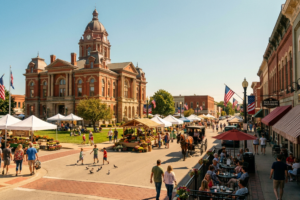
There’s a special kind of magic in America’s historic small town squares.
It’s found in courthouse bells ringing over brick-lined streets. In old-fashioned storefronts that have survived generations. In cafés where locals still know one another by name. In the echoes of parades, protests, celebrations, and everyday life that have shaped communities for centuries.
Long before shopping malls and interstate exits, the town square was America’s original downtown—a place where commerce, politics, culture, and connection all came together.
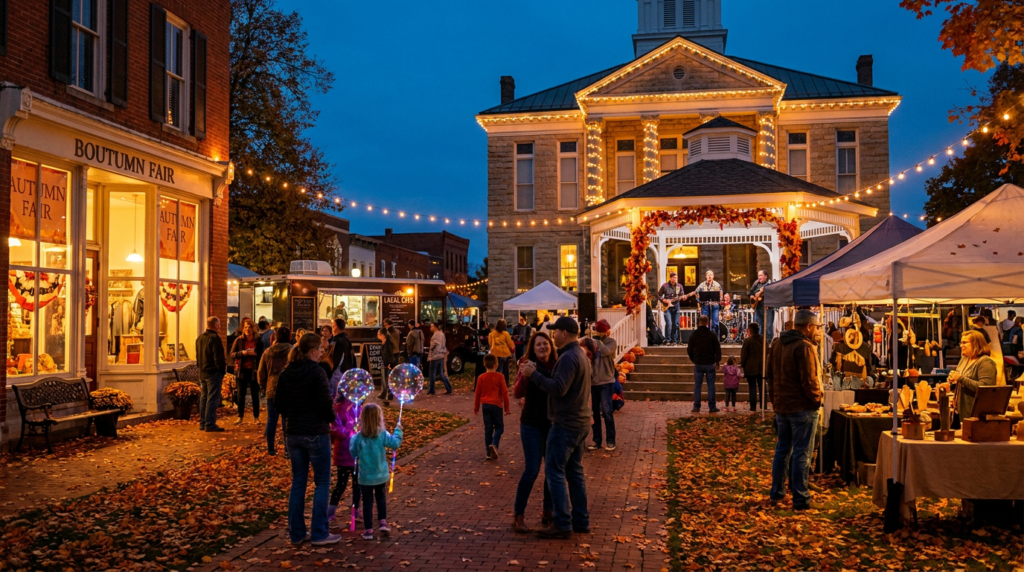
Today, these squares remain some of the nation’s most underrated travel treasures.
For travelers craving authentic experiences, historic architecture, local flavors, and hidden stories, America’s small town squares offer something major tourist centers often miss: character.
“To truly know America, sometimes you have to leave the freeway and head straight for the courthouse.”
From New England greens to Southern courthouse circles, Midwestern plazas to Western main streets, these historic centers tell the deeper story of the nation—one square at a time.
After all, some of America’s greatest stories didn’t happen in skyscrapers… they happened around the square.
Why Historic Town Squares Are America’s Hidden Gems
Historic town squares were once designed as the center of civic life.
They served as:
- Government hubs
- Marketplaces
- Military gathering points
- Festival grounds
- Centers for local business
- Public stages for speeches, rallies, and celebrations
These spaces weren’t accidental—they were intentional symbols of community.
Today, they offer travelers:
Walkability + History + Local Dining + Boutique Shopping + Architecture + Festivals
And perhaps most importantly, they preserve a sense of place that chain-heavy travel destinations often lack.
Whether it’s a Victorian courthouse, Civil War monument, or restored opera house, town squares remind us that history isn’t always behind museum walls—it’s often right beneath our feet.

Murfreesboro, Tennessee: A Historic Southern Square with National Roots
Just southeast of Nashville, Murfreesboro’s Historic Public Square stands as one of Tennessee’s most fascinating small-town treasures.
While modern visitors enjoy boutique shopping, local restaurants, music, and community events, Murfreesboro’s square carries a remarkable legacy.
For a time, Murfreesboro actually served as the capital of Tennessee (1818–1826), placing it at the center of state politics during a formative era. Historic figures such as Andrew Jackson, Davy Crockett, and James K. Polk all moved through Tennessee’s rising political circles during this influential period.
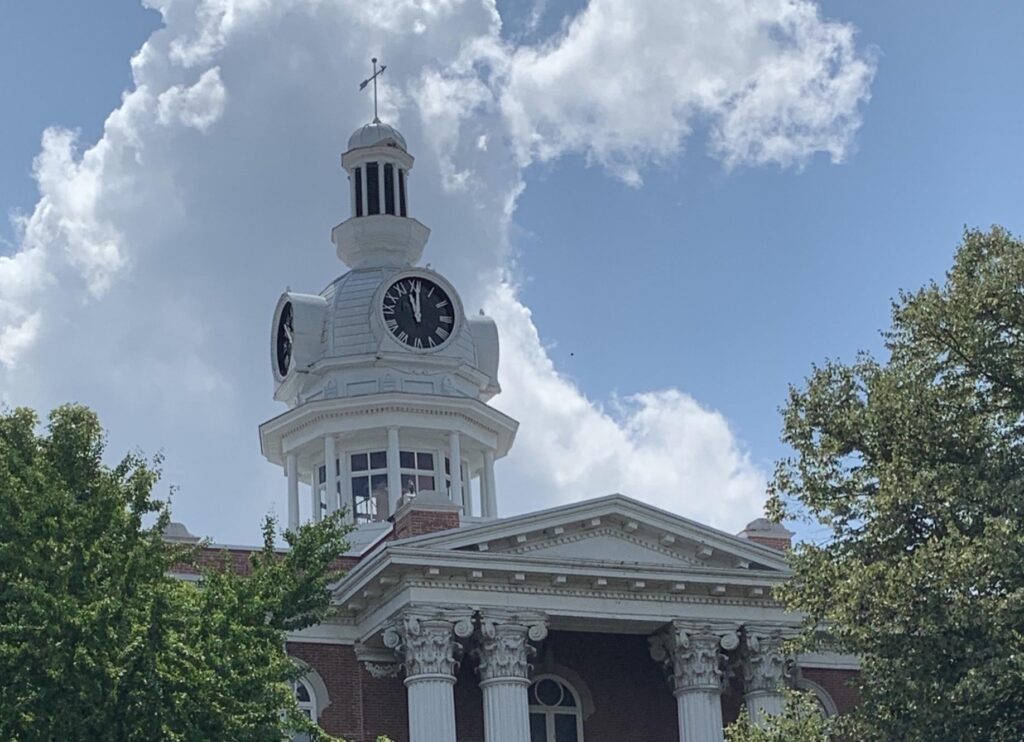
The city also carries Civil War significance due to the nearby Battle of Stones River, one of the war’s most pivotal and costly battles.
But Murfreesboro’s history goes beyond politics and war.
Judy Garland—born Frances Ethel Gumm—had family roots tied directly to Murfreesboro. Her father, Frank Gumm, grew up just a few blocks from the courthouse on East Main Street, linking one of Hollywood’s most legendary stars to this Tennessee town.
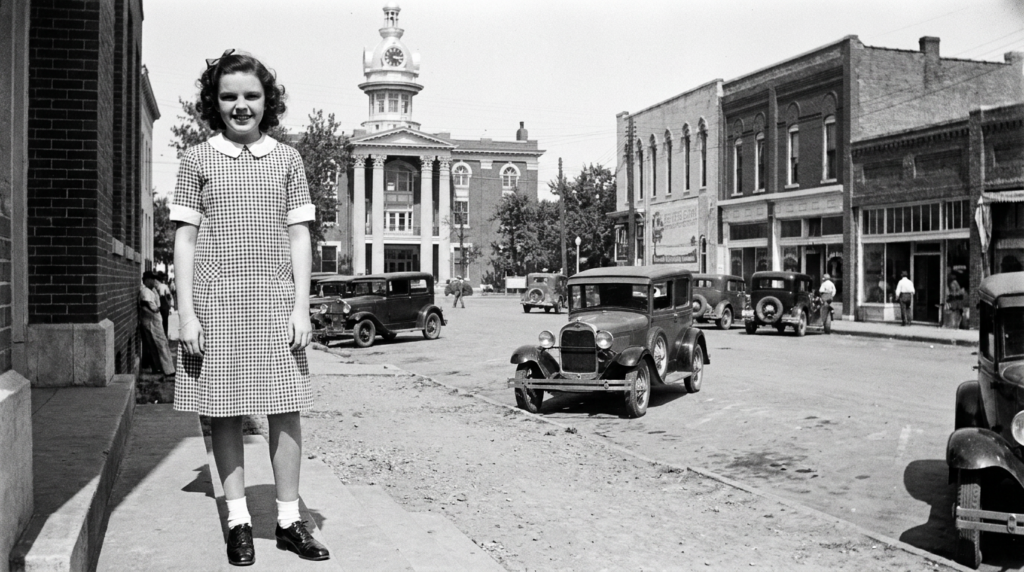
Even General Douglas MacArthur’s family shares Murfreesboro connections. His wife, Jean Marie Faircloth, was born in nearby Nashville but grew up in Murfreesboro, adding another layer of national significance to this charming Southern square.
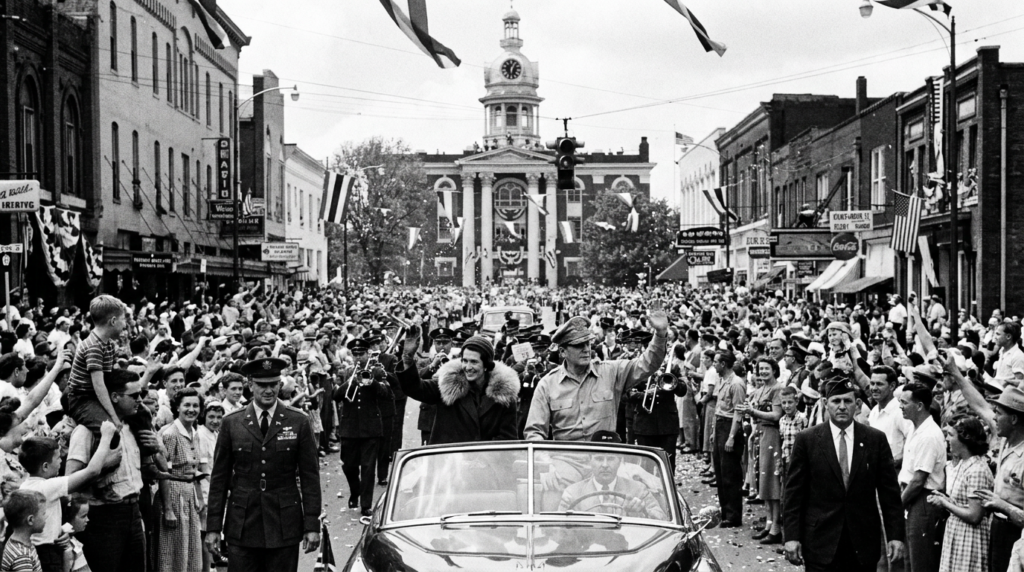
Today, Murfreesboro’s square offers travelers:
- Historic courthouse beauty
- Civil War proximity
- Tennessee state capital history
- Celebrity heritage
- Southern hospitality
It’s a reminder that even smaller destinations can hold extraordinary American stories.